Google
 
Showing posts with label india. Show all posts

Wednesday, March 11, 2009

US cos awarded India MNP contract


US companies - Syniverse Technologies and Telcordia Technologies were recently awarded the contract to provide mobile number portability (MNP) solutions for the Indian mobile phone users by the telecom ministry. I would say the telecom ministry has a lot of difficult decisions to make in these tough times and it is good that they have not postponed the decisions like they did for the 3G auctions.

Now that the general elections are around the corner, the decision on 3G would be taken by a new government at the center and it can be safely said that 3G would take a long time from now in India. While I was looking at this topic I came to know that India was one of the first countries to start the 3G spectrum allocation process by holding a beauty pageant more than 10 years ago. So its a record of sorts that it has taken more than 10 years to still not get the 3G stuff rolling. 3G has been launched by state corporations - BSNL and MTNL in select cities - the number growing rapidly. This has been enabled by the government as the state corporations have their spectrum ready without the need to bid in auctions. Users who want a taste of 3G can switch to BSNL service once it is available in their city. It looks like the service in its current state would cost Rs.2500 ( about USD 50 ) per month for their first taste of 3G. The rate can be expected to climb down once the other players too can roll out their services. However, with the high sums the government is expecting to make from the 3G auctions, it is going to be difficult to offer users cheaper rates.

Sunday, January 18, 2009

Broadband plans to beat recession

Broadband has lot of expectations loaded on it. During the talks of the slowing down of the economy in many of the worlds's nations, one theme is persistent - spending on infrastructure to create advance broadband networks to beat the downturn.

In the U.S., it it well known what Barack Obama thinks about broadband. Wireless broadband has consistently found a place of primacy in Obama's plans to revive the nation's fortunes. The idea is good to make wireless broadband as free and available as tap water and Obama's is keen to spend upwards of $6 billion to achieve this target. Broadband would be consistent theme running through Obama's presidency and I guess he will be one President who is going to be celebrated because of his technological vision.


In the UK there is talk that worldclass broadband is required for the economy to find its feet and get running again. Internet is seen to be the more important business tool around which a lot of disposable income will flow. The nation's plan machines are working feverishly to push for better broadband infrastructure to make it good enough for a lot of business transactions.

Now, what does this mean to India as one of the hubs of knowledge economy? Better broadband would translate to better offshoring and cheaper infrastructure costs and in turn better reach of services. India has to realize that the grand broadband plans laid out by countries is to be prepared for the revival of the economy. Free or cheap broadband can do wonders for India in education,  rural markets, relief activities and development at a grassroot level and also boost the retail segment at the topline. I remember reports about a national plan to provide free or cheap broadband on a very ambitious scale ( ET Link ) by *2009* - that day has come now and it would be better if the start is made even now to make good the promise of connectivity. Amid an earning streak by the telecom industry, there is no better time than now to get go on the grand plans for broadband.

Image Courtesy: www.nityin.com

Friday, January 16, 2009

RIM bullish on India market

RIM has announced plans for selling *unlocked* BlackBerrys in India [ET ]. Redington has been drafted to play the local distribution support to work in tandem with telcos to push the niche smartphones to the *consumer* market. In the last post I highlighted the trend of smartphone sales picking up in India. BlackBerry has drafted a strategy specifically targeting the Indian market involving development of localized consumer-centric mobile applications and even considers launching an India-specific smartphone targeted at the consumer market. BlackBerry has had a good market in India in the enterprise segment with virtually every company rolling rolling out their push-email services on BlackBerry.

Around the same time comes the news of Motorola closing down its sales office in India [ET ]. Notwithstanding Motorola's recent troubles, this tells a tale of the changing market. The lower end of the market entices with volume, but the burgeoning vendors in this segment make it very unattractive in terms of margins. After a lull, the grey market is flourishing with lot of cheap handsets from China and elsewhere and they are taking the game out of the major vendors. Now the space in the higher end smartphone market is getting expanded and vendors should take cues from the policy makers and market to reap the dividends from momentous things such as 3G rollout.

Thursday, January 15, 2009

New trends [ET ] in mobile phone usage points to a marked increase in the sales of smartphones in India as compared to other mobile phones. This is a significant statistic because of two reasons. One, there are vendors who focus on non-smartphones for the Indian market and they can take some pointers from this trend. Two, the smartphones are priced at a very high premium by some vendors who can now think of volumes and make their offerings more affordable.

The mobile phone has become the most integrated gadget to people after the watch and its going to stay that way. And like watches people would start to want their smartphones to be the smartest of the lot. Simple swiss army knife-kind of smartphones with a list of features and having elegant form like those of Swiss watches would soon dominate the market. This has been exemplified the success of smartphones like BlackBerry which has really taken of well in India.

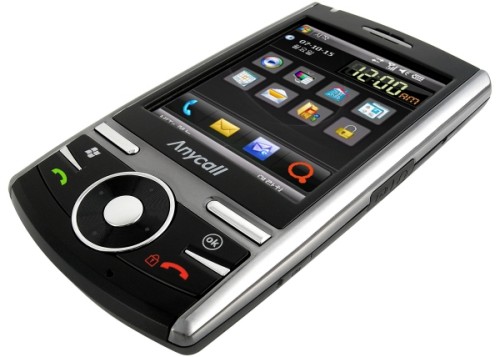
Smartphones' rise into the public imagination is great exemplified by Barack Obama's images of using his gadget. Obama's choice of smartphone also tells a lot about the trend. Have a look...

    Image Courtesy : SlipperyBrick.com

Sunday, January 11, 2009

Make it more - the 3G pie


     Image Courtesy : gadgets.fosfor.se
The new directions coming from the government is the idea of making the 3G license bidding regions called circles from existing 5 to 8. This is in line with the governments intention of making the most of revenue out of the 3G spectrum auction. A larger number of circles would make the amount for each region cheaper but would increase the total kitty. This would also allow smaller players to bid where it was difficult for them to foot the amount for a larger circle earlier. This move will be seen as a small bit done by the government for local players. As we can see the large players would like to have a bigger subscriber base in a bigger circle and would be ready to pay for it.

It has to be seen if the technical persons can give a go ahead about the new circle plan after looking at the feasibility of allocating spectrum in 8 new circles. There might be other objections for the new scheme from other stakeholders like telcos, other ministries, regulators and other policy bodies before a decision is visible. Auction might be possible in the near term only in Feb 09. In the meanwhile the telcos can strategize and restrategize for their best deals. 3G spectrum auction is moving at a slow and steady pace and we will have to see if all the players - the government, the telcos, the vendors and the content providers can cook up an exciting fare in time for the party.

Sunday, January 4, 2009

3G rollout India - so near yet so far

Last year saw many false starts on the 3G spectrum auction in India. Of all the frenzied activity witnessed on the 3G front MTNL's rollout of services in the NCR region was the only news to show off and larger subscriber population is yet to see any so much as a date on when 3G services will be available. The government wants to make sure that it wants the spectrum auctions to fetch the highest possible price ( called market price ) in the circumstances of economic situation worldwide. However with every successive delay of the auctions the bidders are getting wary and at best show lukewarm interest as in case of the response to the pre-bid meeting.

Related consequences to the delay in the 3G spectrum auctions are the delay in WiMax auctions and even the MNP developments. The latter also involves an auction process and right now all the delays are being attributed to the policy changes initiated by various stake holders within the cabinet. The government does not have any problem in the delays as the large delays would give time for the mobile subscriber base to build which in the Indian case has been happening at a rapid clip. As time goes, the government will have a better fruit to offer in terms of a larger subscriber base and can expect a higher price. As said before, the bidders are also not very keen at this point of time to hurry up.

All said, the date for the 3G spectrum auction is still 30th January 2009. If something happens by then the auction process goes through, it will be a big surprise as the news that is available points to more delays.

Saturday, September 13, 2008

In the news: Bharti Airtel to setup telecom innovation fund

Bharti Airtel, India's leading telco has announced of the setting up of a telecom innovation fund worth Rs.200 crores to seed telecom startups. This is a smart move by the telco viewed with the new telecom developments - 3G rollout, coming of MVNOs and entry of foreign telcos. Bharti Airtel can leverage its licenses, infrastructure assets and pan-India coverage to provide a good platform for telecom startups in turn augmenting its own revenues both organically and inorganically. This first ever telecom innovation fund would be watched closely and its success can spawn other such funds too.

What are the factors that has given this positive spin to telecom entrepreneurship? Here are at least two. Apple with its 3G iphone has left some interesting functinality out and its Appmart platform has encouraged a new industry around it. Nokia's takeover of Symbian has made the OS opensource in effect driving lots of app contenders to develop software and content for its platform. Google though late with its Android platform would not be far behind with its release and would also interest independent software developers to develop for the platform. Telecom startups can make use of such information to target their share of user's wallet

Monday, September 8, 2008

Indian 3G spectrum auction process begins Monday


     Image Courtesy : bioteams.com
The process of allocating 3G spectrum to telcos is to kickstart on Monday with the pre-bid conference to select the overseer of the e-auctions for the 3G spectrum for both GSM and CDMA services. 3G spectrum winners will be known by early October. The auctions are expected to raise U.S.$ 10 billion or more of revenue for the government which would make the telecom department one the the biggest profit centers for the government.

Now what is to be seen keenly is how the telcos - both domestic and foreign take to the e-auction. There have been misgivings about competing in the 2G space from foreign bidders. The DOT had changed the rules so that foreign telcos could merge or buy stake in local players on entering the Indian market and this ought to assuage their feelings.

One more aspect to be watched is the final cost of the 3G spectrum and its effect on the 3G rollout. A high floor price would push the final prices so high that bidders would use up their revenue on the licenses and would have to wait for deploying the network infrastructure - the next step for telcos. This has happened in EU markets most notably in UK. In spite of the delay in launch of 3G services, 3G penetration had picked up fairly well. In the Indian scenario such a thing though wished by telcos might not be so easy. This would need very competitive end-user tariffs and very impressive differentiated services. This would call for huge spends upfront before a good monetization trend sets in. Setting an optimum floor price would hence be the challenge for the telecom ministry.

The challenge for TRAI would be to oversee proper timely rollout of 3G services in all circles with undue delays by the telcos. TRAI would also have to keenly look at how and what kind of recommendations are to made on the MVNO policy. This would also be critical as many foreign players might prefer to enter the market as MVNOs in order to avoid high license fees. TRAI's recommendations would some day tell on the rate of penetration of 3G services in India.

The challenge for the telcos would be about offereing high quality differentiated services and  make enough money to reinvest in their new new 3G networks. In this respect the telcos would also need to fix attractive tariffs that would work for them too. Another aspect telcos would be focussing on is MVP - mobile number portability - which might necessitate a rethink of telcos' strategies about retaining and growing subscriber bases.

The challenge for the user is to embrace 3G technology without falling for hype and demand high quality services from the telcos by rewarding the best offering and not to look at price alone.

Wednesday, August 20, 2008

Calling cards are coming...

TRAI the Indian regulatory body has set in motion(ET report) the changes necessary for users to make long distance calls using calling cards. International travellers would be well aware of the indispensable calling cards which offer an optimal solution while on tour. The TRAI move is aimed at allowing users to choose their NLD (also called STD, NSD) providers by buying long distance calling packages through calling cards.

There are quite a few entities which have long-distance backbone like RailTel, PowerGrid Corp and GAIL. Currently their networks are not being used for public long distance calling since they cannot access the local loop to reach the end user. With the TRAI recommendation, telcos would have to upgrade their networks to provide interconnect with the long distance providers - potentially the RailTels and the PowerGrid Corps. Even some private players like Sify would be able to rollout effective long distance packages if this recommendation gets implemented.

Long distance call rates are going down the world over and TRAI move would suggest that they are keen to see India also following the trend. Coming to incumbent telcos, this move is seen to further erode their revenue stream as their have provide the interconnect facility as well as lower their tariffs to compete with long-distance-only operators. Some prudent deals between telcos and new long-distance players might benefit everybody.

P.S.: would highlight user issues on calling cards in a later post...

Monday, August 18, 2008

News: Internet Telephony legal in India

The restrictions on internet telephony have been removed with TRAI - the telecom watchdog allowing unrestricted use of internet telephony for NSD (STD). A new number scheme is being worked out that will be used by the ISPs to provide telephony to subscribers. This move is seen to lower the STD rates.

Reflecting on it, some of the major ISPs ( Bharti Airtel, Tata Indicom, Reliance ) are telecom providers and the removal of this legal barrier would help them to leverage their IP infrastructure effectively in reducing the tariff for national long distance calls. This would also provide the major non-telecom ISPs ( Satyam ) to foray into internet telephony to augment their revenues.

IP telephony is already allowed in international long distance calls and Satyam which does not provide basic telephony already provides ISD facility to subsribers using this provision.

Saturday, August 16, 2008

Delays and more: 3G Road is still being laid

The finance ministry and TRAI - the telecom regulatory authority have expressed reservations about the 3G spectrum auctioning process as well as over other points of the 3G policy. If these developments are going to delay the 3G auction process, the delay is seen to benefit the state players - BSNL and MTNL. BSNL and MTNL would not need to participate in the 3G auctions as their spectrum requirements are virtually allocated already. They were expected to have a lead of at least 6 months over the existing GSM operators and the new UASL players. With the delay in the 3G auction process, this lead time is expected to grow, thereby benefiting BSNL and MTNL.

Apart from this development, the 3G auction delay is also expected to benefit Reliance Communications. RCom has been awarded a pan-India GSM licence and since it would take almost 12 months to rollout their GSM network, RCom would be ready with their network in the delay period.

Even though the telecom ministry has sought the clarify that there would be no delays with respect to the 3G auctions, and has also started the process of finding the auction agency, and also rebutted the finance ministry charges, it can be expected that some amount of delay would be there in the completion of the 3G spectrum auction process.


Thursday, August 7, 2008

First 3G moves

3G Spectrum proposals of state corporations - BSNL and MTNL have been
cleared very quickly after the 3G policies were announced. BSNL and
MTNL as always will have a lead over private players in the launch of
3G services who have to wait for the spectrum auctions. However if this story
is to be believed  some of the players have already completed a trial
run of their 3G service offerings over an year ago and may immediately launch the
services once the auctions are over.


Actually there are a lot of 3G capable devices out there in the field
and with handset vendors expected to push more on 3G handsets one can
expect 3G services to drive revenues for the service providers.
However, for 3G to have a compelling presence content frameworks should
be developed and marketed in innovative ways.

Blogged with the Flock Browser

Tuesday, August 5, 2008

MNP and 3G guidelines released

This post comes after (quite) sometime and the last post was when there was some frenzied activity on 3G spectrum. Well, Indian authorities have released guidelines for 3G and MNP as of last Friday. With this we can safely assume that the rollout of these services would take another year from now.

The government has decided to allow 10 players to grab the 3G spectrum at stake. With the spectrum being limited, these 10 players would have to make do with their smallish allocations to roll out their 3G services to their targeted subscriber base.

MNP may threaten undifferentiated offerings and poor service and service providers may have to evolve strategies around the idea of unsatisified subscribers easily switching providers more easily than before.

Thursday, October 18, 2007

Spectrum Wars in India

Okay this story continues on the last one. Spectrum... In a story attributed to IE I read about the big problem at hand for the regulators in India on allocating spectrum to the existing and new licensees.

The players like - Bharti Airtel, Vodafone and Reliance have among themselves earmarked $8billion worth of plans for expansion and this is not going to happen without addtional spectrum.

On the other hand there are new players who are awaiting their licenses and in turn their spectrum allocations - AT&T/Mahindra (see previous post), Verizon/Videocon are some. The regulators would like the new players to come in as it is bound to be beneficial to the consumer with better services and better tariffs - but can they ignore the existing players and their long pending requests for addtional spectrum ?

Well the spectrum allocation issue is bound to get very contentious and the authorities should given premium to greater transparency and do a fine balancing act with respect to existing players and new licensees. The government has said that it will announce new terms and condtions for the sector within a week. If there is going to be no change in the first-come-first-serve policy of spectrum allocation followed by the government, then the existing players who have long pending applications would walk away with the spectrum and the new entrants would have to wait for 3G spectrum auction whenever that happens. However in an ET report , CCI has approached the authorities to moot an auction mechanism which by which the available spectrum can find a market determined price. It is not known if this proposal cuts favor with the government.

In the ensuing scenario, new players may find that they will have to defer their expansion plans for want of spectrum. They may have to wait as the existing players did for their expansion plans. If the spectrum allocation has to be so finely balanced then entry of more than one new player would be a doubtful at least in the present scenario. Of course there is the M&A route too.

India is the place to be for wireless operators

I read a story in CNNMoney about AT&T applying for wireless licenses covering all of India in association with its local partner Mahindra Telecom. Now this is an interesting move considering the recent developments - Vodafone has come in a big way with by winning its bid for Hutch and making announcements it is going to splurge $2billion to carve up the market. The largest player in the market Airtel at present is doing just well with 43 million subscribers. With less than 20% of 1.12 billion people using mobile phones and usage steadily catching up big players are taking a fancy to the Indian market. This seems to be the best growth scenario among all emerging economies.


The CNN story goes on to emphasize that after getting the license and spectrum AT&T would have to contend with the stiff competition to make a dent. Though early it has to be seen how AT&T plans to rapidly expand its network infrastructure. On its business model, I think AT&T would have attractive corporate plans and a killer smartphone (*) for the consumers. Let us see...